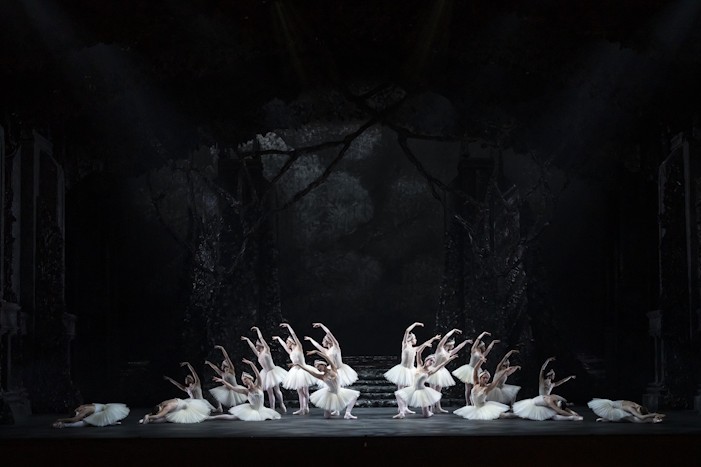
Birmingham Royal Ballet: Swan Lake
The familiar strains of Tchaikovsky’s famous score evoke mystery and magic. They transport you into another world even before the curtain rises.

The familiar strains of Tchaikovsky’s famous score evoke mystery and magic. They transport you into another world even before the curtain rises.
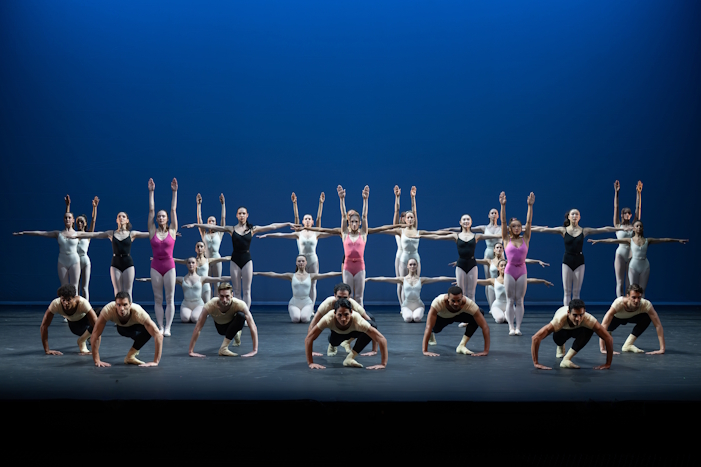
English National Ballet are back on form with Rhythm Riot, a cracking triple bill comprising no less than two world premieres
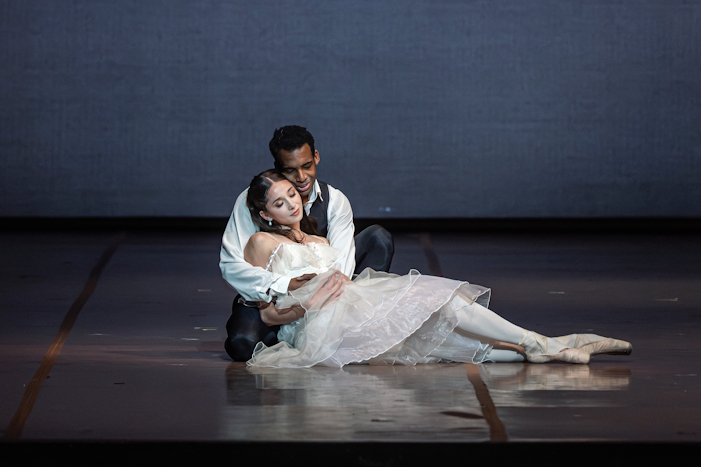
A feast of heartbreak with excellent dancing and drama at its best. Each act concluded with roaring applause, a rare thing in Munich
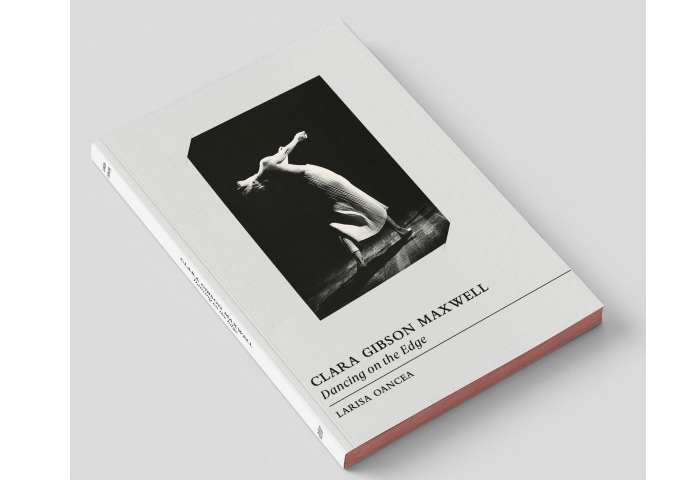
A new book looking at the work of a choreographer who has largely avoided the mainstream, her creations, inspired by myriad influences, tending towards the experimental.
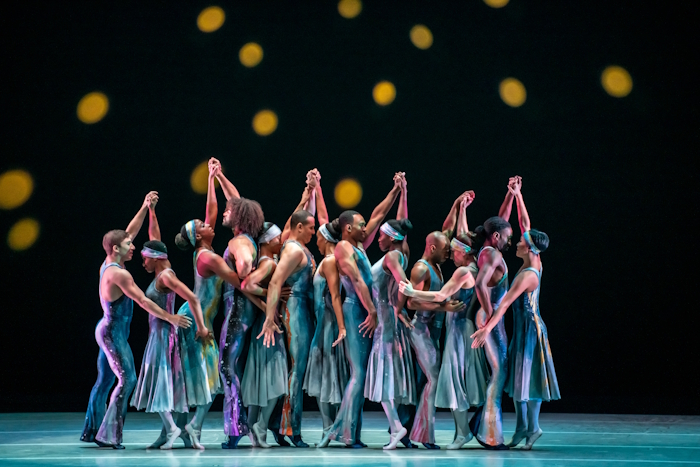
It was good to see that Alvin Ailey American Dance Theater is in such excellent form and so connected to its roots.
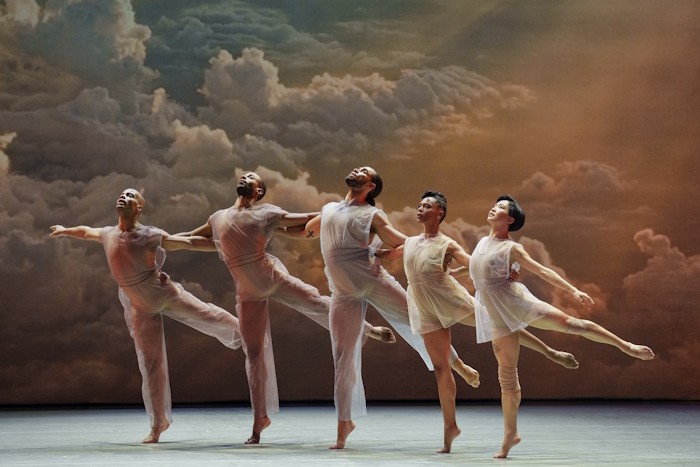
“Awakening, spiritual searching, visions of heaven and the complications of human desire, before Revelations arrived with sorrow… sinners, salvation”
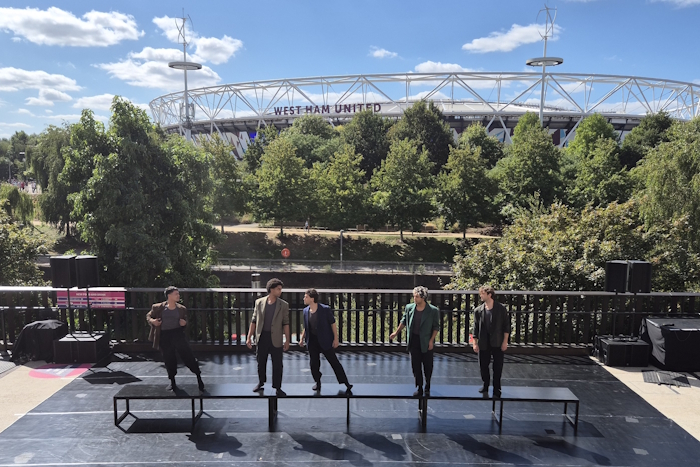
Certainly brought the crowds out. The free and unticketed performances at the Queen Elizabeth Olympic Park were packed out, with people taking every possible vantage point.
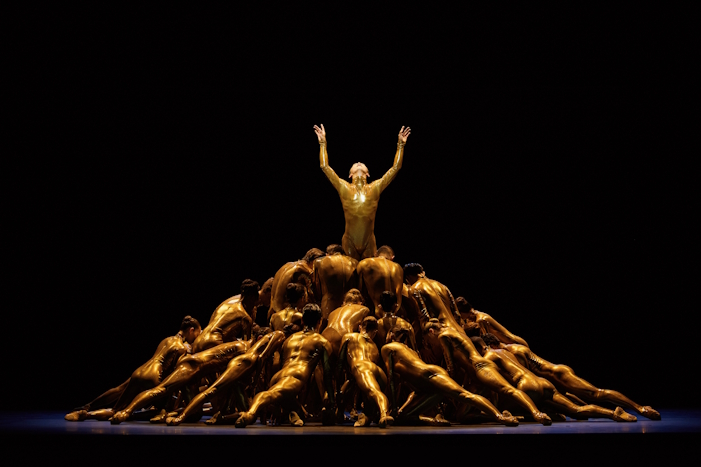
The dancing is powerful, the ensemble injecting a sense of great scale. As befits a work inspired by technological developments. the backing projections are impressive. The score by Sam Shepherd (aka Floating Points) is terrific
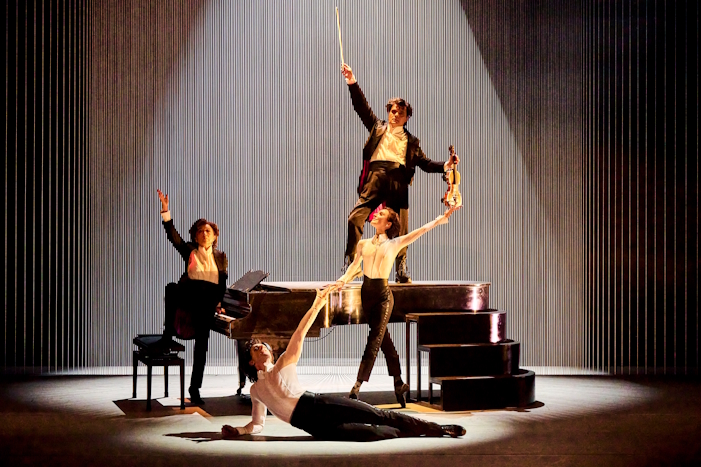
McRae’s attack, Lamb’s nerve, Nicholson’s theatrical instinct and Vassilev’s swagger feed off one another… pleasure keeps spilling outwards.

A conversation with Micaela Taylor about her work and her new ballet, ‘Bow Out’, part of English National Ballet’s forthcoming Rhythm Riot programme
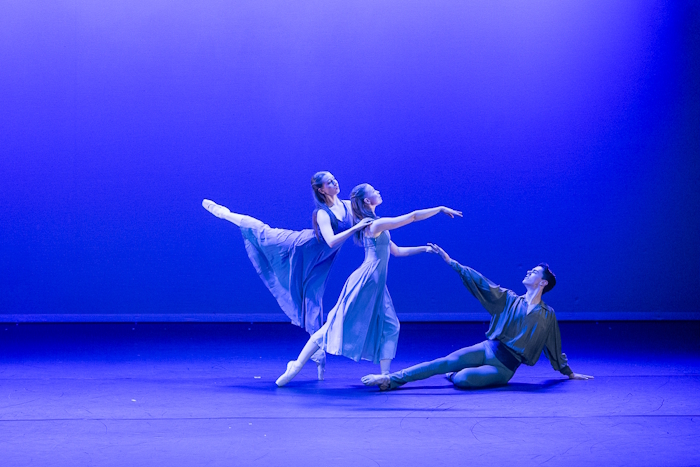
An evening that shone with optimism and hope, an evening when young people showed us a better world working together creatively in an atmosphere of respect and harmony to deliver a vibrant programme of dance