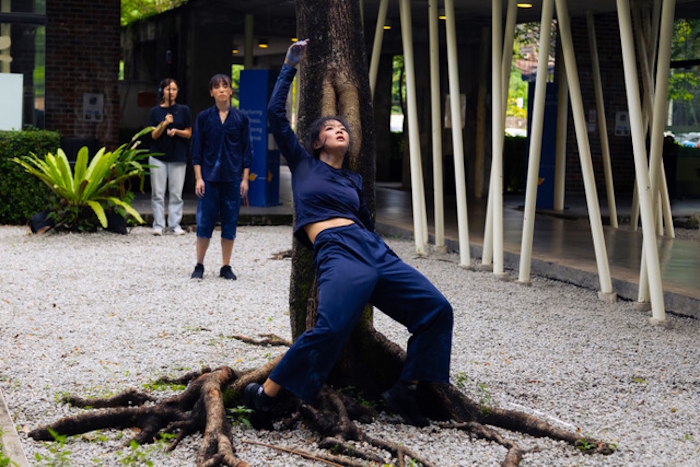
T.H.E Dance Company and Searching Blue (寻蓝): Drawing the Boundary
Kuik Swee Boon’s work “explores community and the possibility of oneness. Before inviting anyone into a shared experience, it draws a boundary.”

 Zoë Hewitt
Kuik Swee Boon’s work “explores community and the possibility of oneness. Before inviting anyone into a shared experience, it draws a boundary.”
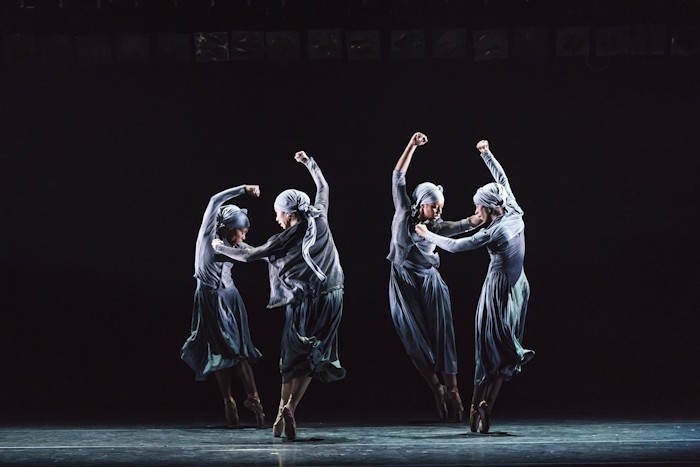
Ballet Black brought its 25th anniversary double-bill to the very English summer setting, plus a short appearance from M22 Collective.
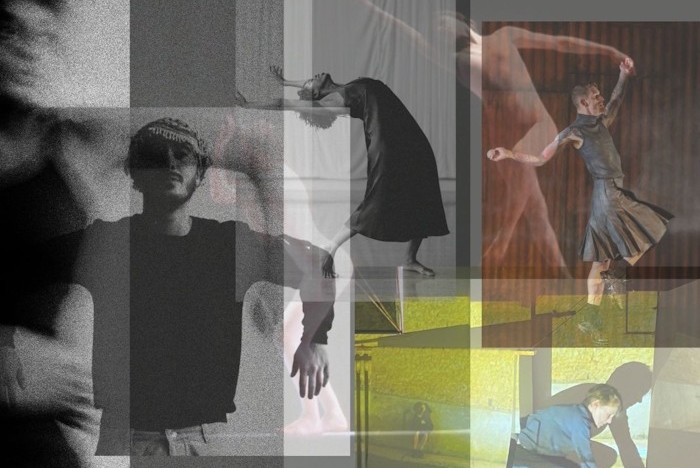
The first of four chapters over which a total of twenty artists will spend five days with Siobhan Davies’ 1977 work Sphinx, and craft their own responses
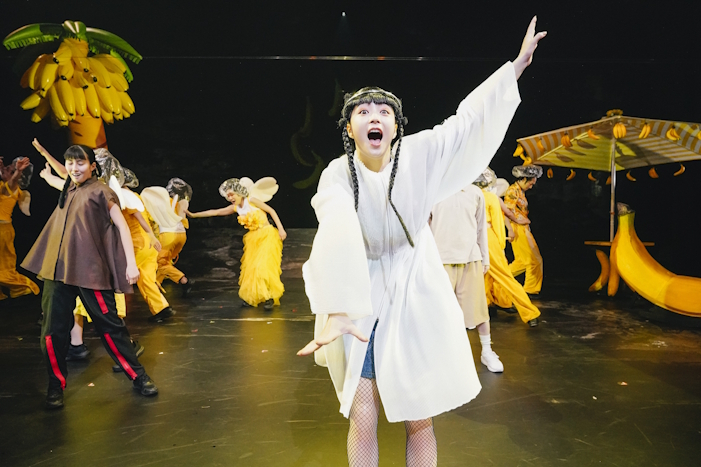
The production’s apparent excess is never random. As the evening progresses, bodies begin to carry more and more of the meaning
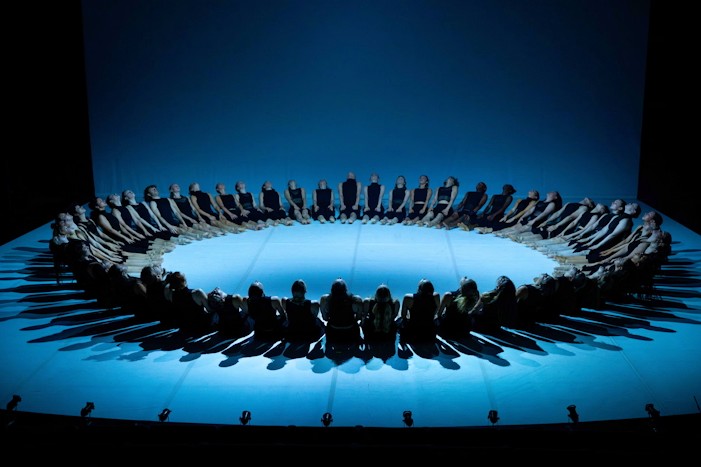
An exploration of the relationship between the individual and the collective… Each dancer remained distinct while being continuously reorganised within a larger, shifting whole.
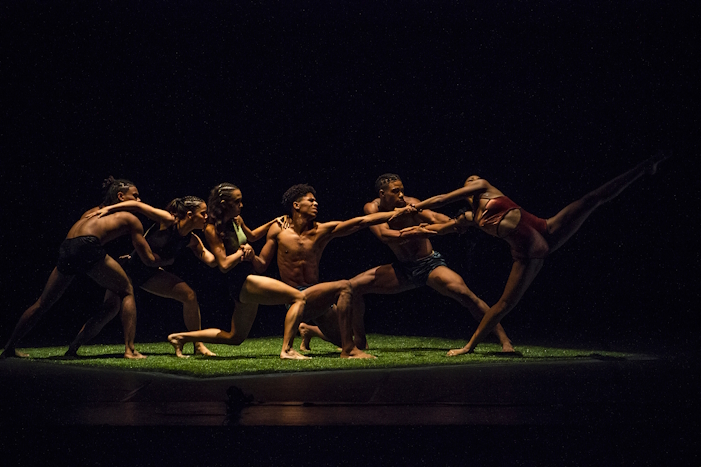
Across the evening, the dancers show strength, secure partnering and a physical language rich with possibility. Their bodies twist and fold through unusual shapes
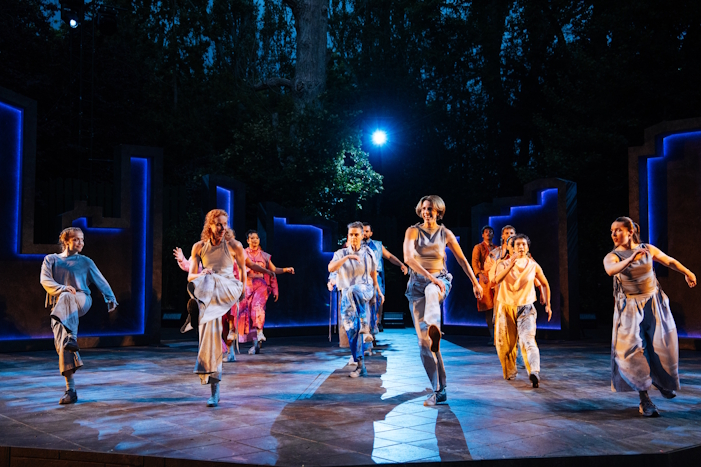
The strongest section comes late in the evening. Winter introduces older performers, and suddenly the theme of time gains substance
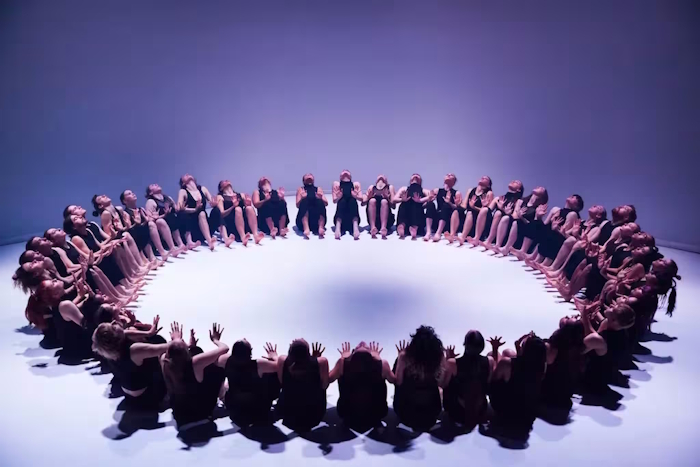
Stephanie Lake’s Colossus comes to London’s Queen Elizabeth Hall at the end of the month. Zoë Hewitt talks to rehearsal director and original cast member Nicole Muscat, and learns how the London Contemporary Dance School’s graduating dancers are shaping the ever-changing work. Fifty dancers. No exits. Fifty-five minutes of breath, pressure, collision risk and collective … Read more
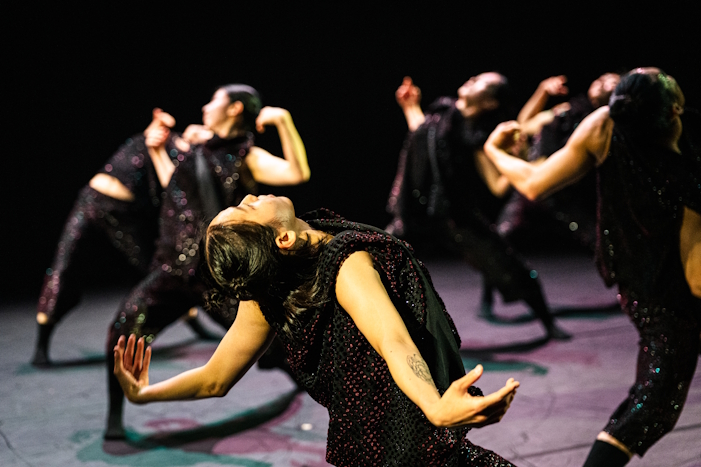
Two works with very different forms of propulsion that remind how thrilling modern dance can be when rhythm takes hold of the body and refuses to let go
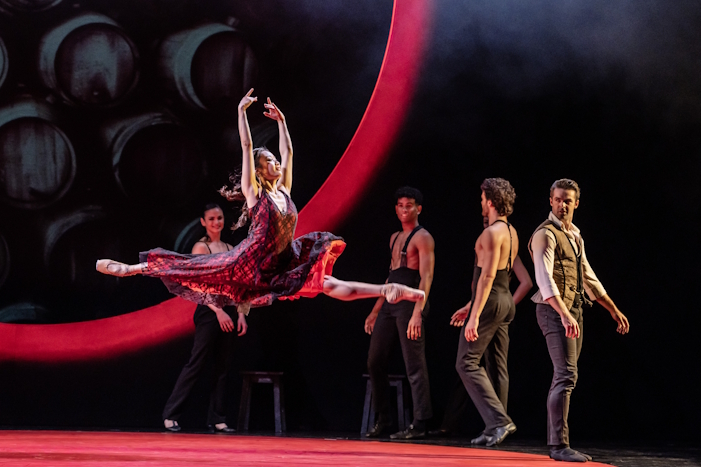
Woking TheatreMay 6, 2026 Carlos Acosta’s Carmen has heat in flashes, but rarely enough pressure to make the evening catch fire. The problem is partly musical. The score suits each scene well enough, but the sections do not bite into one another. What should gather as fatal momentum often feels episodic. A tavern scene with … Read more
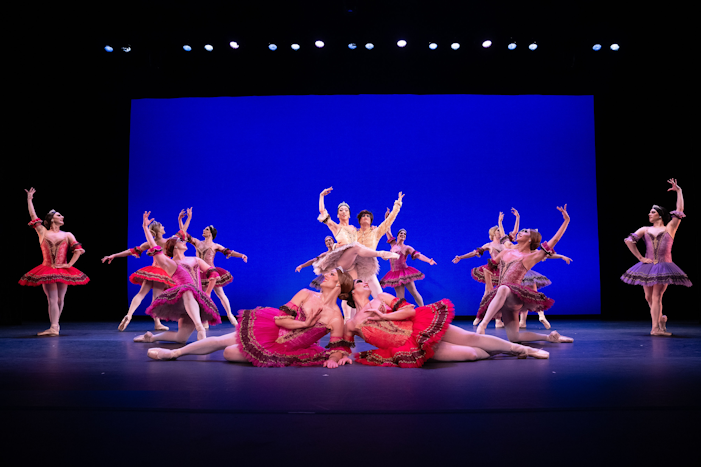
Irresistible. The joke never feels thin, because the dancing underneath it is so alive. Technique is there, ego is there, bad behaviour is there