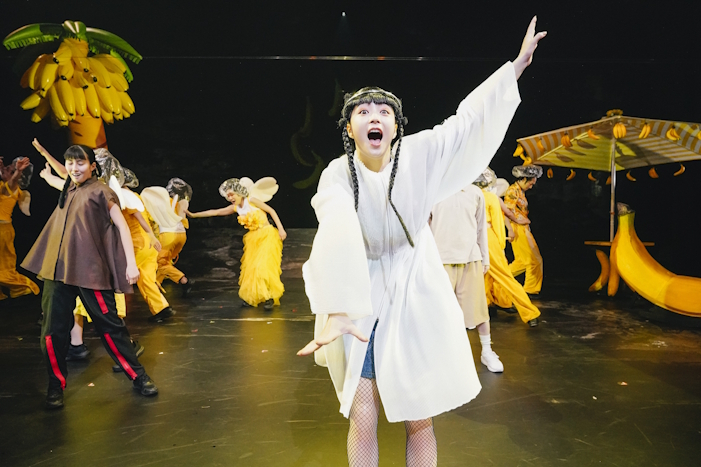
The sincerity of excess: Hideki Noda’s −320°F
The production’s apparent excess is never random. As the evening progresses, bodies begin to carry more and more of the meaning

The production’s apparent excess is never random. As the evening progresses, bodies begin to carry more and more of the meaning
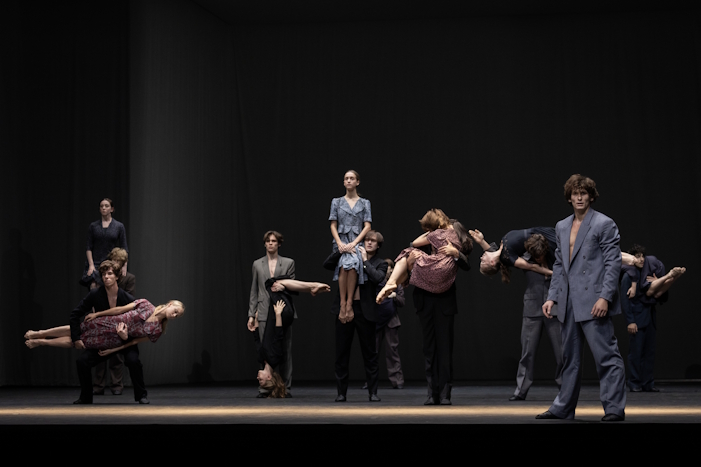
Pina Bausch’s ‘Adagio’, reconstructed only in 2024 having not been performed for 50 years, plus Hans van Manen’s ‘Variations for Two Couples’, Demis Volpi’s ‘The thing with feathers’, and Justin Peck’s title work
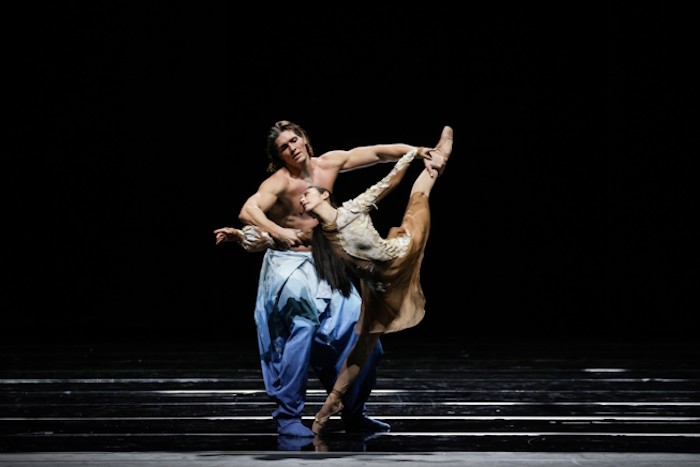
From George Balanchine’s Serenade to Xie Xin’s The Moon in the Ocean, via Marcos Morau’s Totentanz and Angelin Preljiocaj’s Annonciation.
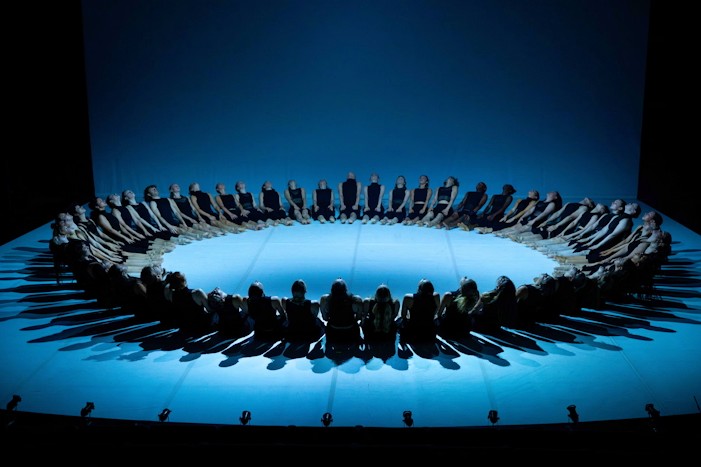
An exploration of the relationship between the individual and the collective… Each dancer remained distinct while being continuously reorganised within a larger, shifting whole.
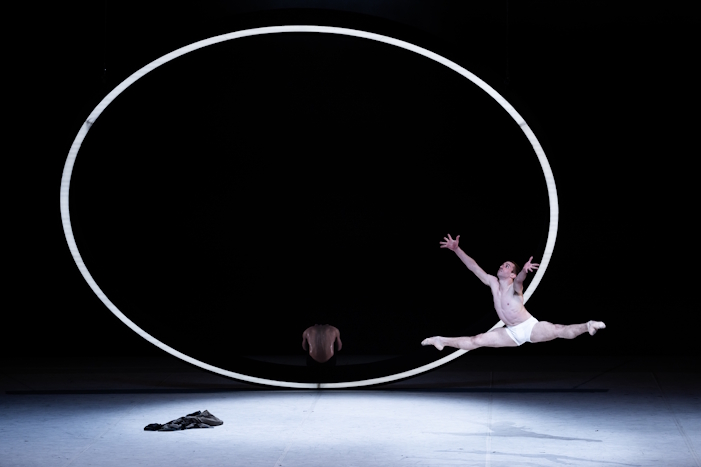
Not a documentary, not a narrative account of his life. Neumeier rather calls it a biography of the soul, of the “feelings and states of the human condition.”
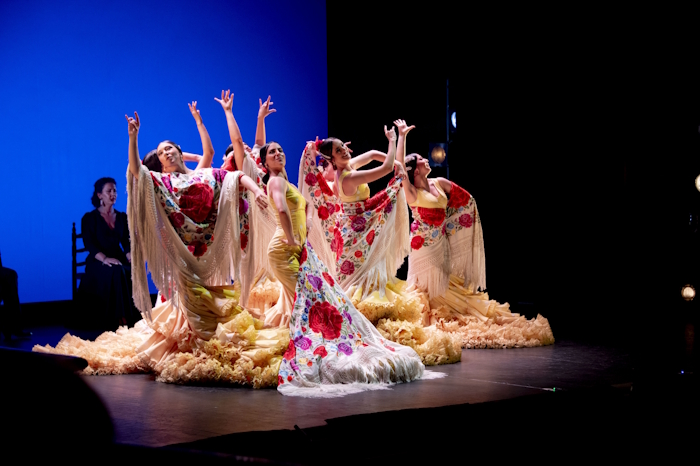
David Chupute provided one of the highlights of the evening. In his hands, castanets became a whole orchestra section in themselves.
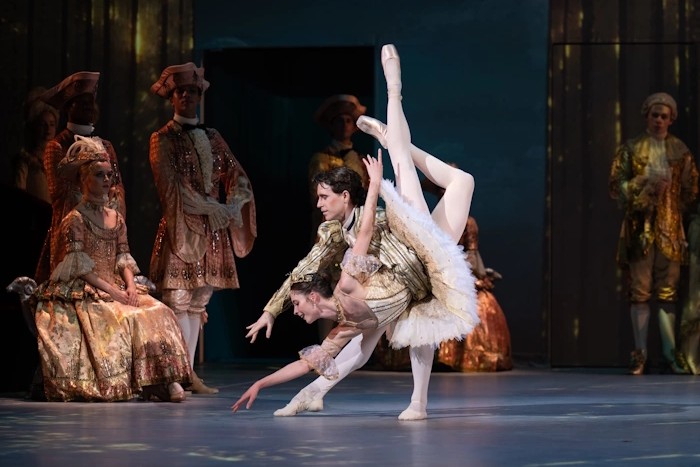
This Sleeping Beauty is not flawless. But the production’s strengths are considerable: the splendour of its costumes, the sweep of the music, the scale of the occasion, and above all Emma Hawes’ luminous Aurora.
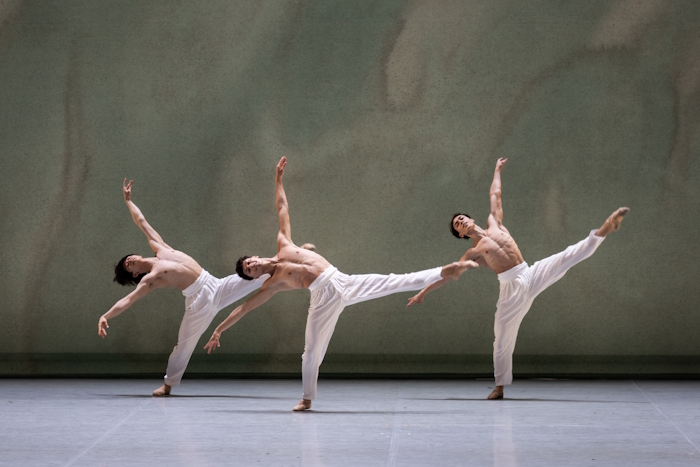
An evening featuring the whole school, and culminating with John Neumeier’s Yondering, which explores themes of innocence and adventure
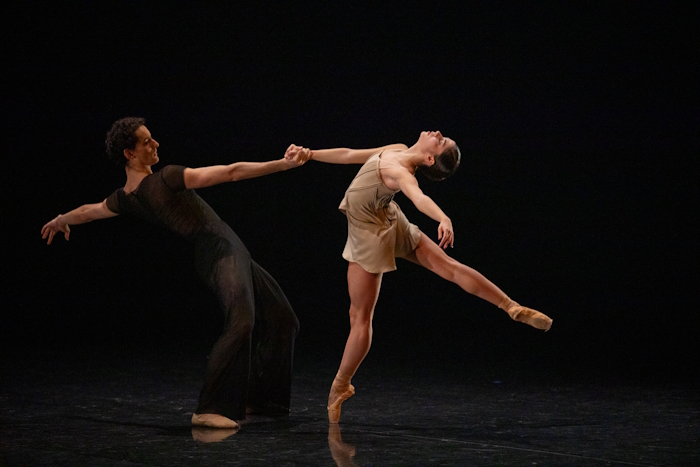
An evening of contrasts with three contemporary dance works from Rambert School and five shorter neo-classical pieces from the Junior Company of the Polish National Ballet
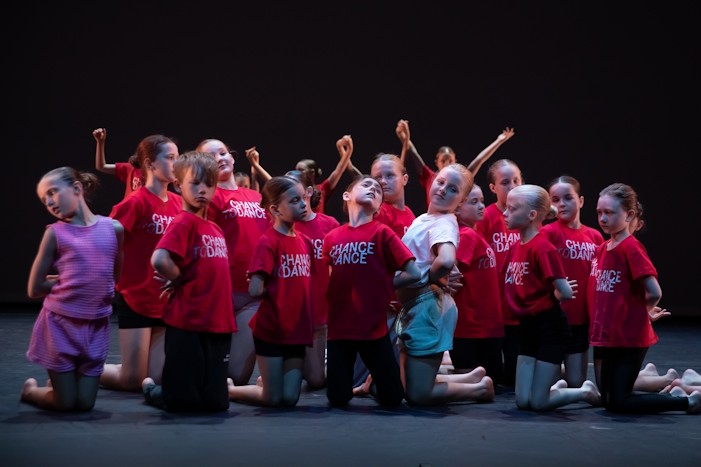
A celebratory and hopeful example of how Chance to Dance can catalyse the careers of dancers who may never have crossed paths with ballet otherwise
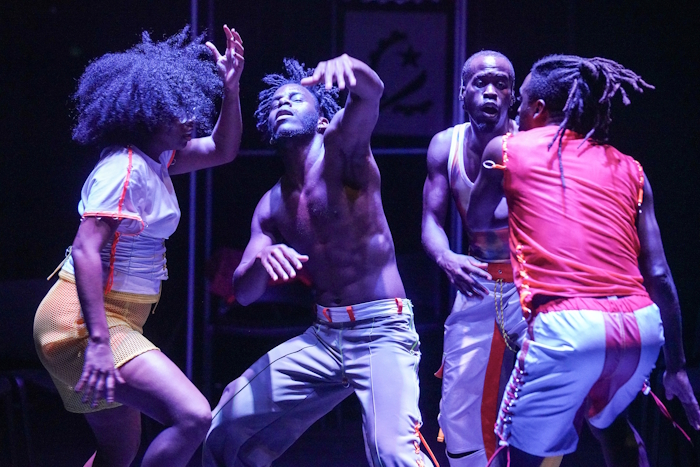
Musseque highlights the joy and strength found in moving together. It’s a celebration of people, of home, of Angola. It’s a work of belonging. Plus a look back at Tanztriennale generally.