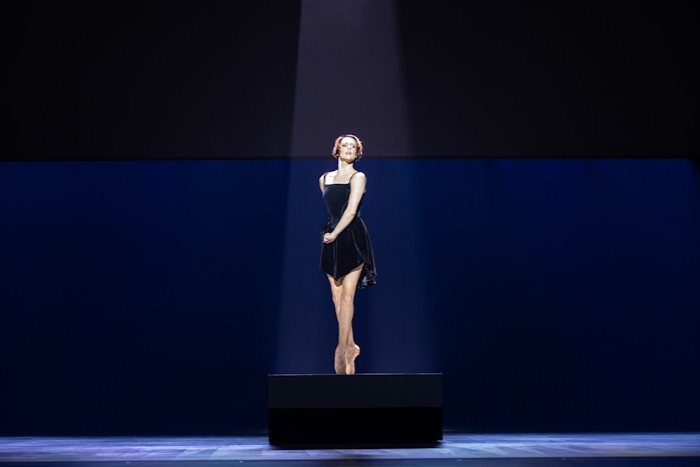
Scottish Ballet: Mary, Queen of Scots
The dancers were superb, their level of technique, dramatic interpretation, and musicality, a sheer joy to watch.

The dancers were superb, their level of technique, dramatic interpretation, and musicality, a sheer joy to watch.
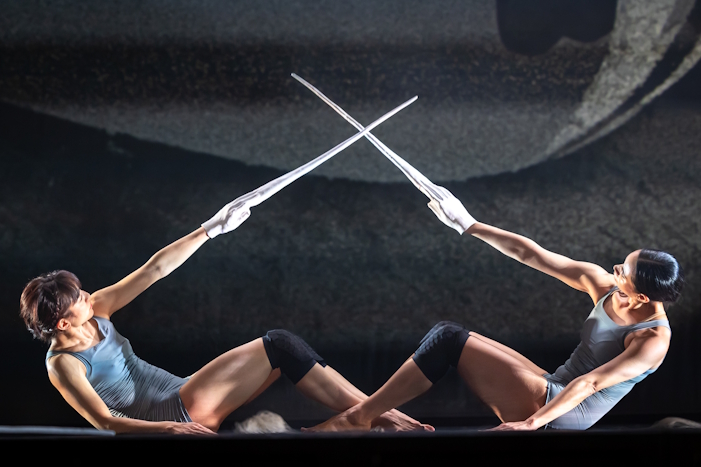
“The dancers… are welcome in their physical presence, their serenity and physical control impressive.”
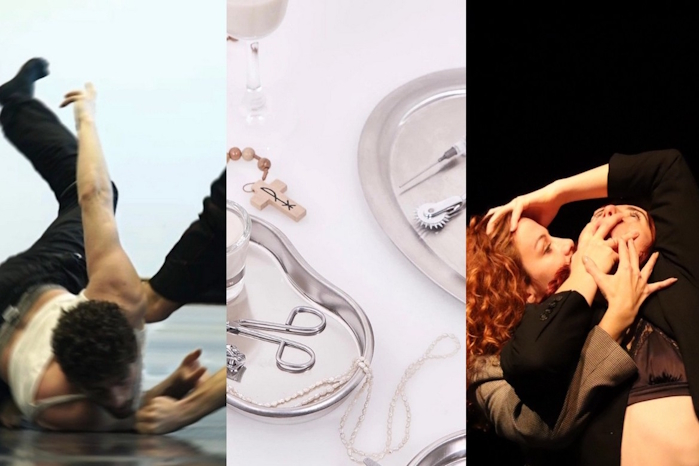
It was a loud night. Not in decibels, but in the way each of the three short works occupied the act of looking.

Somewhat more classical than previous years, the standard of dancing was sans pareil. Just what the doctor ordered.

Nuñez’s Giselle looks unusually light within this world. Her peasant dancing is clean and loose, its ease producing flow rather than force

Carlos Acosta’s sunny ballet provides “a lot of joy and a much-needed splash of sunshine on yet another grey, damp, dismal February day.”

An evening that reflected how contemporary choreography increasingly extends beyond movement into installation, ecology, costume and multimedia

Seventy minutes of scenes that poke fun at and parody dance in all its forms, although there are a couple of very poignant moments in there too
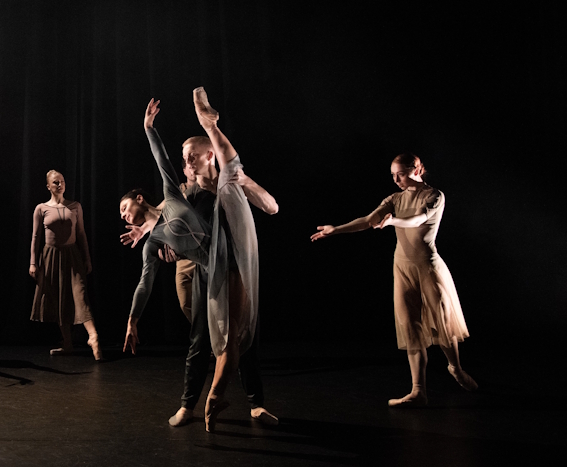
The young classical ensemble led by Marika Brussel and Richard Bermange return with three ballets that reimagine history and Jewish narratives
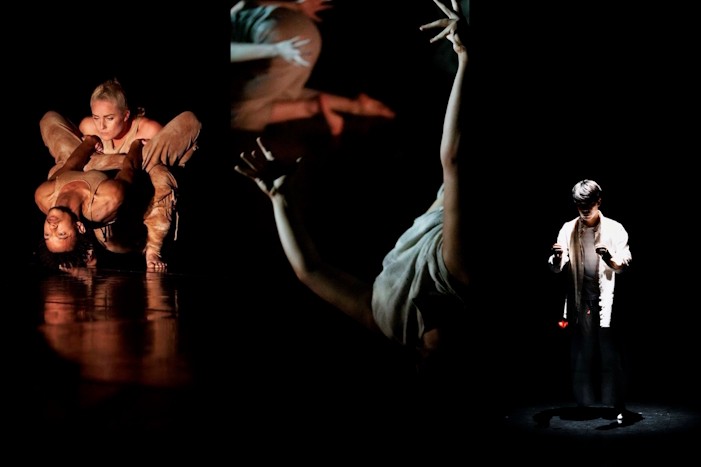
A varied selection of choreographic voices… Every work showed a different sense of direction, whether through ideas, energy or physical presence
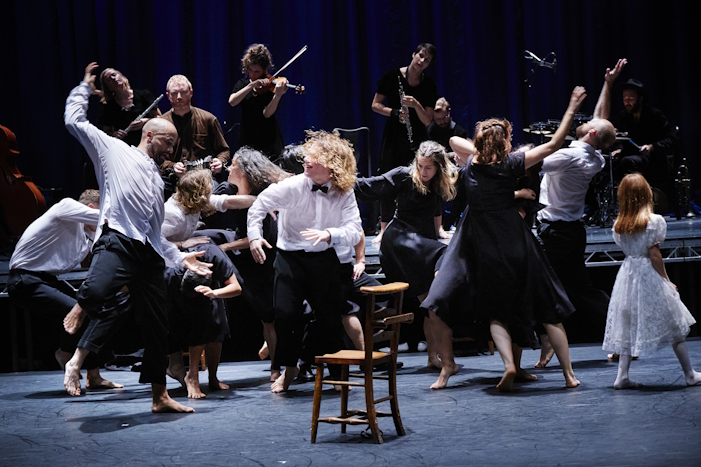
It’s a gathering. At times, it has the joy of a ceilidh, but it also has a dark, mysterious edge, and is often quite disconcerting.